
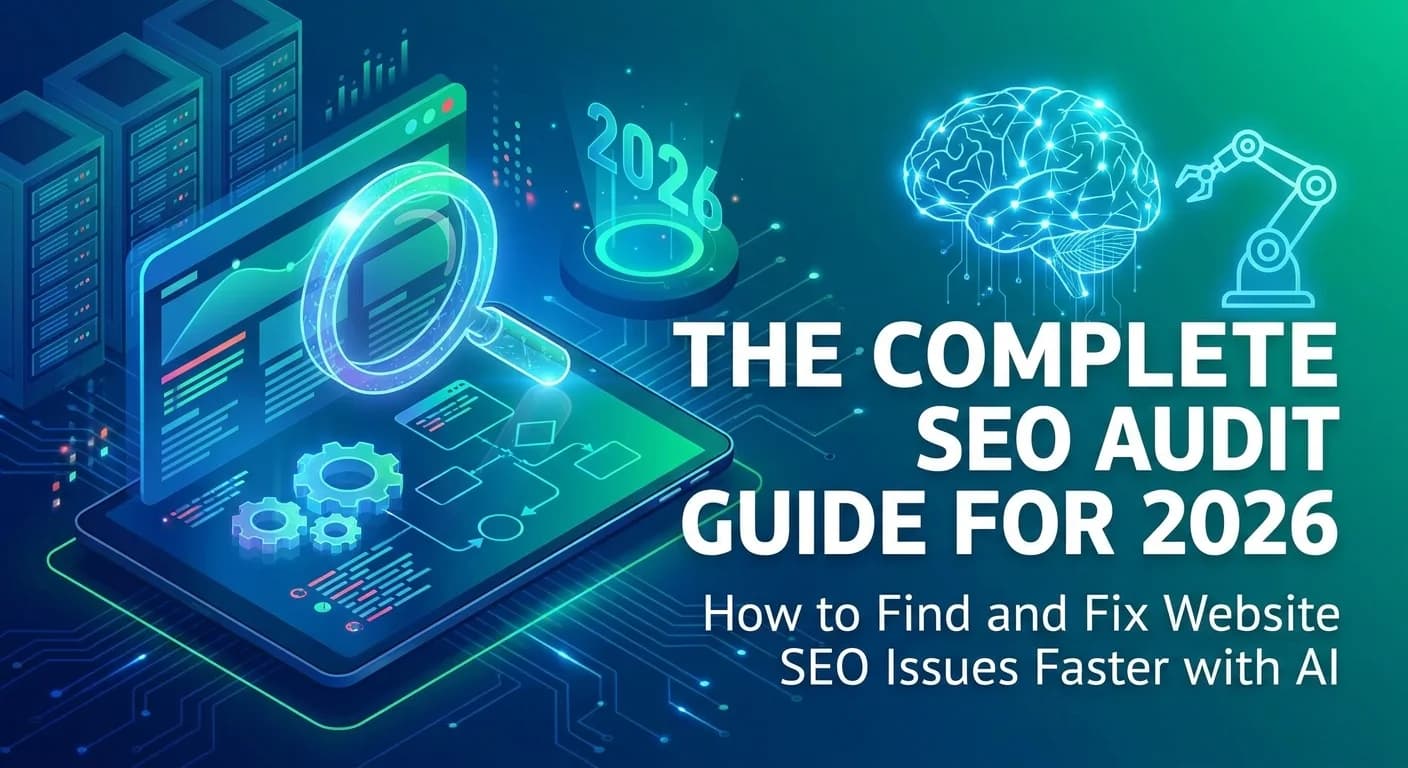
The Complete SEO Audit Guide for 2026: How to Find and Fix Website SEO Issues Faster with AI
In the world of digital marketing, there's a nagging frustration many developers and technical founders face: your website's traffic is stagnating, and your SEO metrics are declining, but you can't pinpoint why. Despite your best efforts, the complex web of technical SEO issues, on-page content gaps, and broken links seem to elude your grasp. This uncertainty can be paralyzing, especially when you know that small tweaks can yield significant results. So, what's the solution?
Why an SEO Audit is Essential for Your Website
Conducting an SEO audit is the first step in diagnosing problems and optimizing your site for better performance. With the landscape of SEO constantly evolving, especially as we approach 2026, understanding how to perform a thorough website SEO audit is more critical than ever. In this guide, we'll explore how to efficiently conduct an SEO audit, leveraging AI tools to speed up the process and enhance your analysis.
The Components of a Comprehensive SEO Audit
An effective SEO audit involves multiple components, each addressing different aspects of your website's health. Here's what you need to consider:
1. Technical SEO Audit: The Foundation of Your Site
A technical SEO audit examines the backend of your website, ensuring search engines can crawl and index your pages effectively. Common technical SEO issues include:
- Site Speed: Slow loading times can deter users and hurt your rankings.
- Mobile-Friendliness: With mobile traffic on the rise, your site must be optimized for mobile devices.
- HTTPS Security: Google prioritizes secure sites, so ensure yours is HTTPS compliant.
For example, if your site takes longer than three seconds to load, you risk losing potential customers. Use tools like Google PageSpeed Insights to identify specific speed issues and receive actionable recommendations.
2. On-Page SEO Audit: Optimizing Content for Users and Search Engines
An on-page SEO audit involves reviewing individual pages of your site to ensure they are optimized for both search engines and users. Key areas to focus on include:
- Title Tags and Meta Descriptions: Are they compelling and relevant to the content?
- Heading Structure (H1-H6): Proper heading tags improve readability and SEO.
- Keyword Usage: Ensure that relevant keywords are integrated naturally into your content.
For instance, if your blog post on “SEO Strategies” doesn’t include the target keyword in the title tag, you might miss out on vital search traffic.
3. Content Quality and Relevance: User Engagement Matters
High-quality content that meets user intent is the cornerstone of effective SEO. During your audit, ask questions like:
- Is the content up-to-date?
- Does it answer users' questions?
- Is there duplicate content?
If you find outdated articles that no longer serve your audience, consider updating them or removing them altogether to avoid penalties for duplicate content.
4. Backlink Profile: Assessing Your Authority
A robust backlink profile is crucial for building authority. During your audit, analyze:
- Quality of Backlinks: Are you getting links from reputable sources?
- Anchor Text Distribution: Is it diverse enough to signal relevance?
Using tools like Ahrefs or SEMrush, you can identify which backlinks are beneficial and which may be harming your SEO.
5. User Experience (UX) and Site Architecture
Lastly, consider how users navigate your site. A poor user experience can lead to high bounce rates. Factors to evaluate include:
- Navigation Structure: Can users easily find what they're looking for?
- Call-to-Action Placement: Are your CTAs visible and compelling?
For instance, if users are abandoning their carts at checkout, you may need to rethink your process or layout.
How to Perform an SEO Audit: A Step-by-Step Checklist
To streamline your SEO audit process, follow this SEO audit checklist:
1. Perform a technical SEO audit using an SEO audit tool.
2. Review on-page SEO elements, focusing on title tags, meta descriptions, and headings.
3. Analyze content quality and relevance, checking for duplicates or outdated information.
4. Assess your backlink profile for quality and relevance.
5. Evaluate user experience and site architecture for optimization opportunities.
Where SEO Audit Agent Fits In
Amidst the myriad of tasks involved in an SEO audit, it's crucial to have the right tools in your arsenal. Enter SEO Audit Agent, a powerful ally in your SEO analysis journey. This tool:
- Performs a comprehensive technical SEO audit, enabling you to identify critical technical SEO issues quickly.
- Detects on-page SEO issues across pages, allowing you to optimize title tags and meta descriptions with ease.
- Identifies missing heading structures (H1-H6), ensuring your content is organized and easily navigable for both users and search engines.
- Finds broken links and redirect issues, minimizing user frustration and enhancing your website's credibility.
- Detects duplicate content and duplicate metadata, helping you maintain a clean and effective content strategy.
By integrating SEO Audit Agent into your workflow, you can significantly reduce the time spent on audits, allowing you to focus on implementing the necessary changes for enhanced SEO optimization.
Conclusion
Conducting an SEO audit is no longer just a good practice; it's essential for maintaining your website's health and performance in 2026 and beyond. By following a systematic approach and leveraging AI tools like SEO Audit Agent, you can uncover hidden issues and optimize your site efficiently. Start your audit today, and take the first step toward improving your website’s SEO performance and user experience. There's no better time to enhance your website's visibility than now.
Related articles

AI GTM Outreach: How Modern Teams Personalize Sales at Scale Without Hiring More SDRs
Learn how AI GTM outreach is changing outbound sales by automating prospect research, personalized email creation, and campaign execution. Discover best practices, common pitfalls, and how AI agents can dramatically increase outbound efficiency.
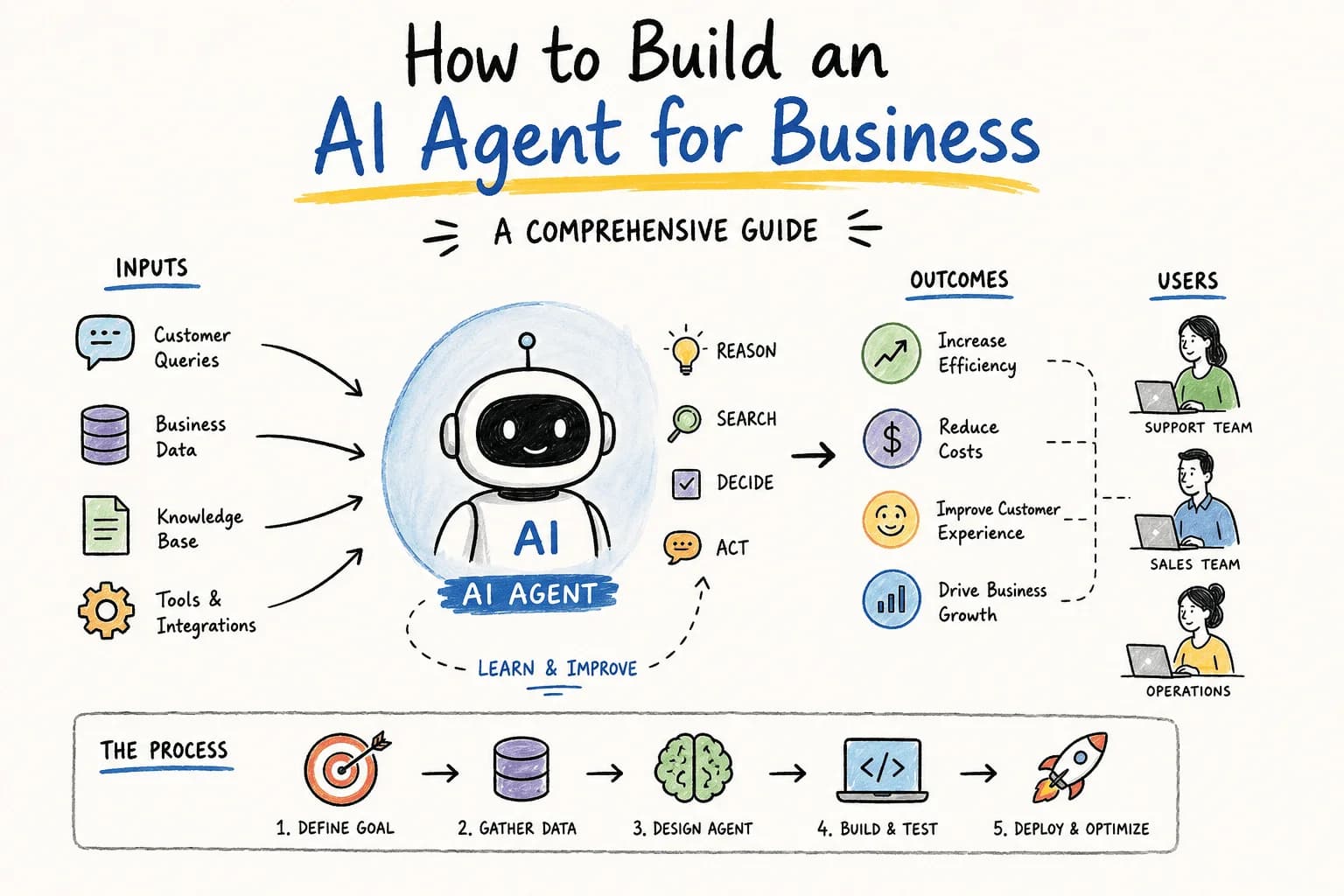
How Do I Build an AI Agent for My Business?
Wondering how to build an AI agent for your business? This guide walks you through essential steps, tools, and considerations to create an effective AI solution.

How to Repurpose Video Content with AI: Turn One Video into Blogs, Social Posts, Emails, and More
Discover how to efficiently repurpose your video content into various formats using AI, maximizing your reach across platforms.
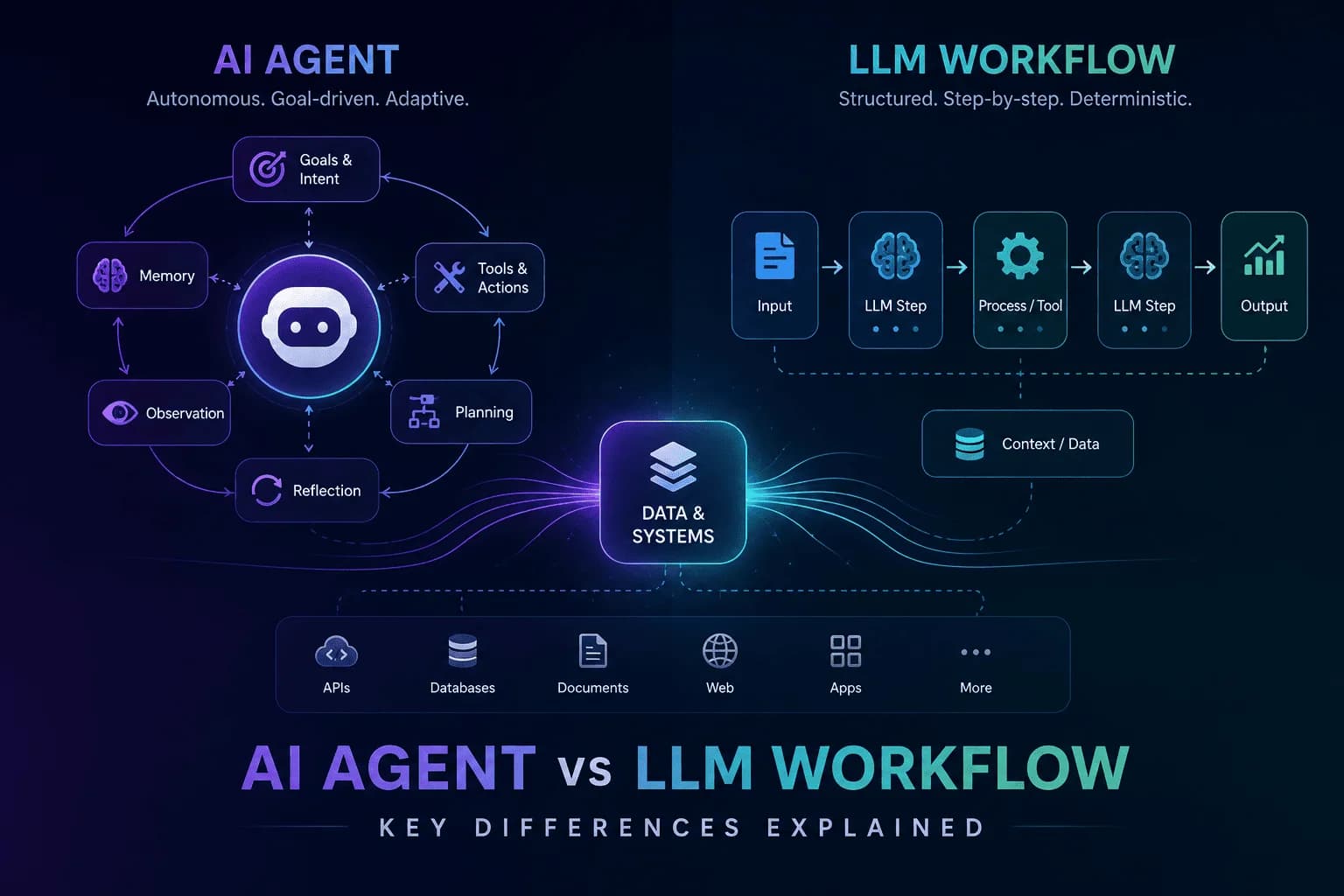
AI Agent vs LLM Workflow: Understanding the Key Differences
Unravel the distinctions between AI agents and LLM workflows to enhance your automation strategy. Discover their functionalities and applications.
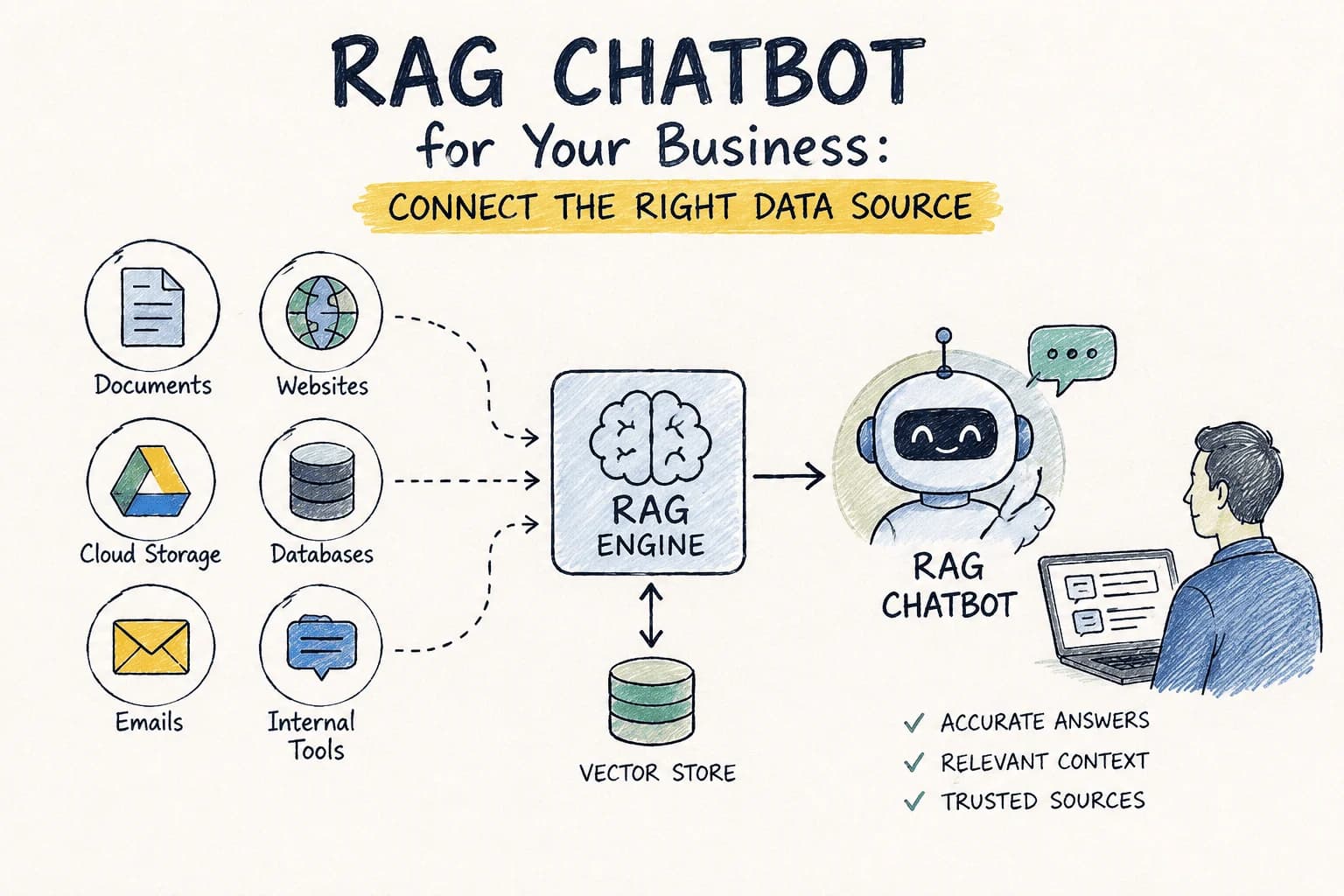
RAG Chatbot for Your Business: Which Data Source Should You Connect First?
Choosing the right data source for your RAG chatbot can be challenging. This guide compares options to help you decide which to connect first.
Stay ahead in AI
Get updates on agents, MCP, and production AI workflows.
Comments coming soon.